

Kalahari Conservation
From farmland to wilderness – a real conservation project in Namibia
A family still relies on livestock farming today – but step by step, a new vision is taking shape: fewer fences, more wildlife, and a sustainable income through tourism.
This project shows how conservation can work in practice.
Why change is necessary
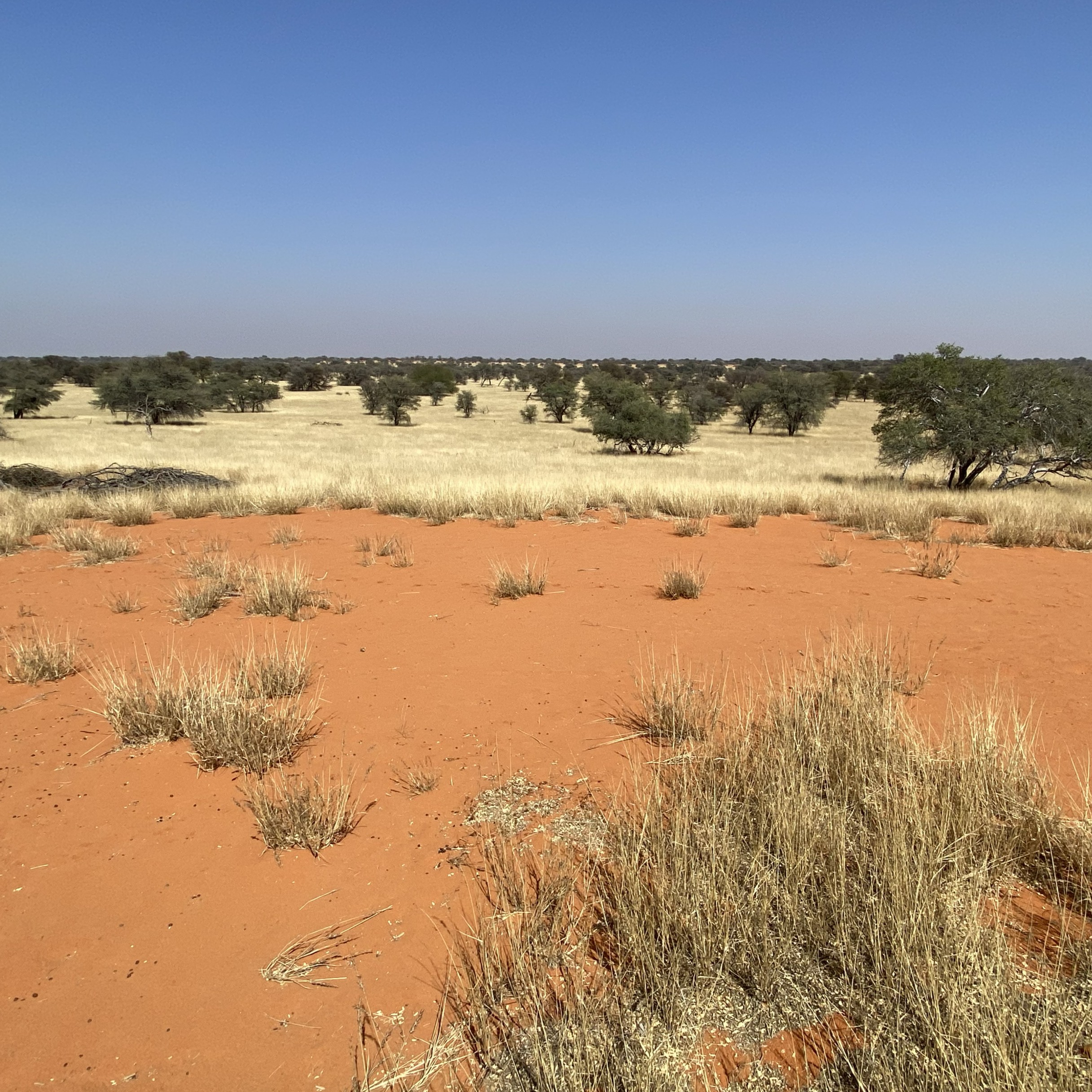
The Kalahari is one of Africa's most fascinating ecosystems. But in many places it is under pressure:
- Overgrazing puts a strain on the soil.
- Fences prevent the natural migration of wild animals.
- Habitats are becoming fragmented
What remains is a landscape that is increasingly losing its balance.
Conservation needs perspectives
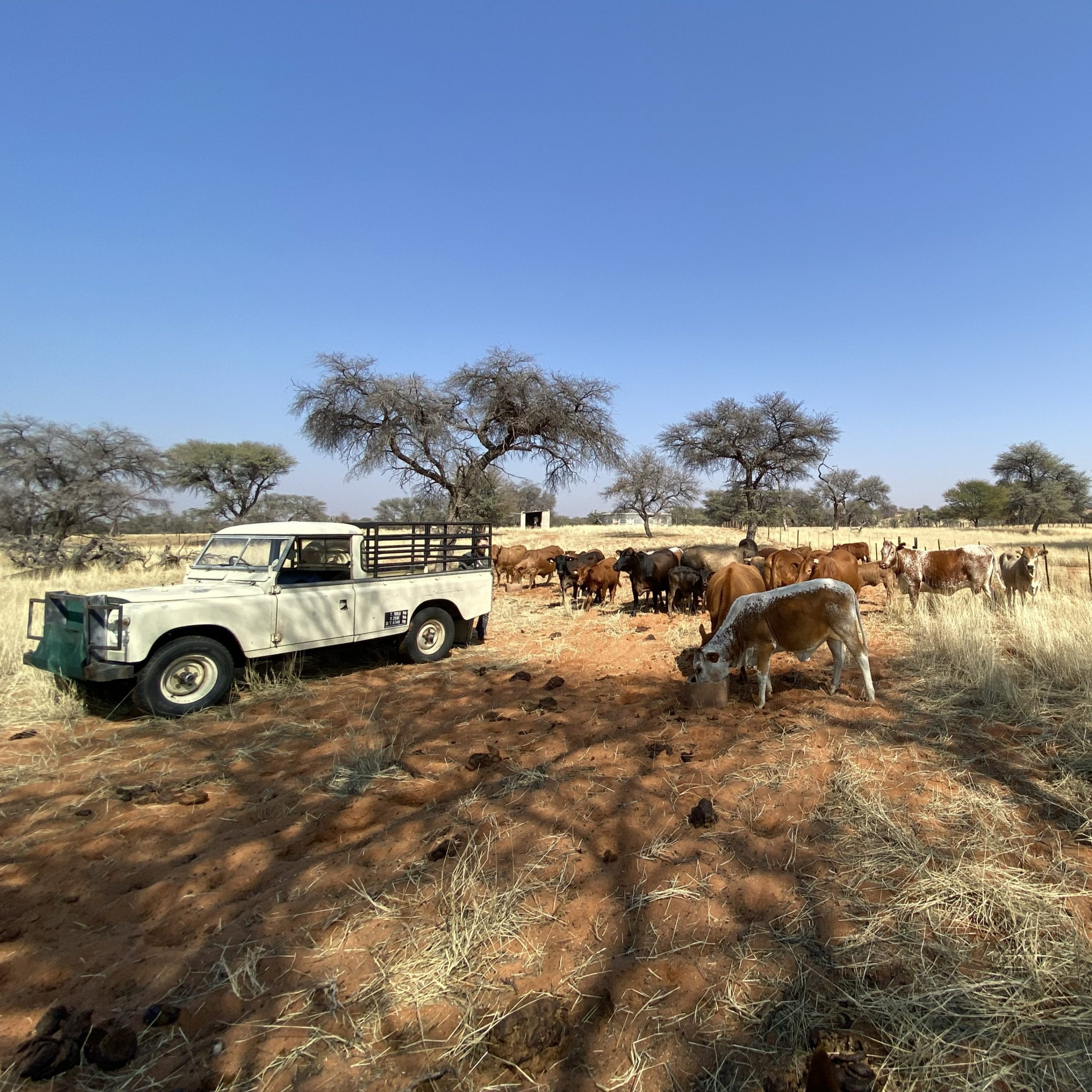
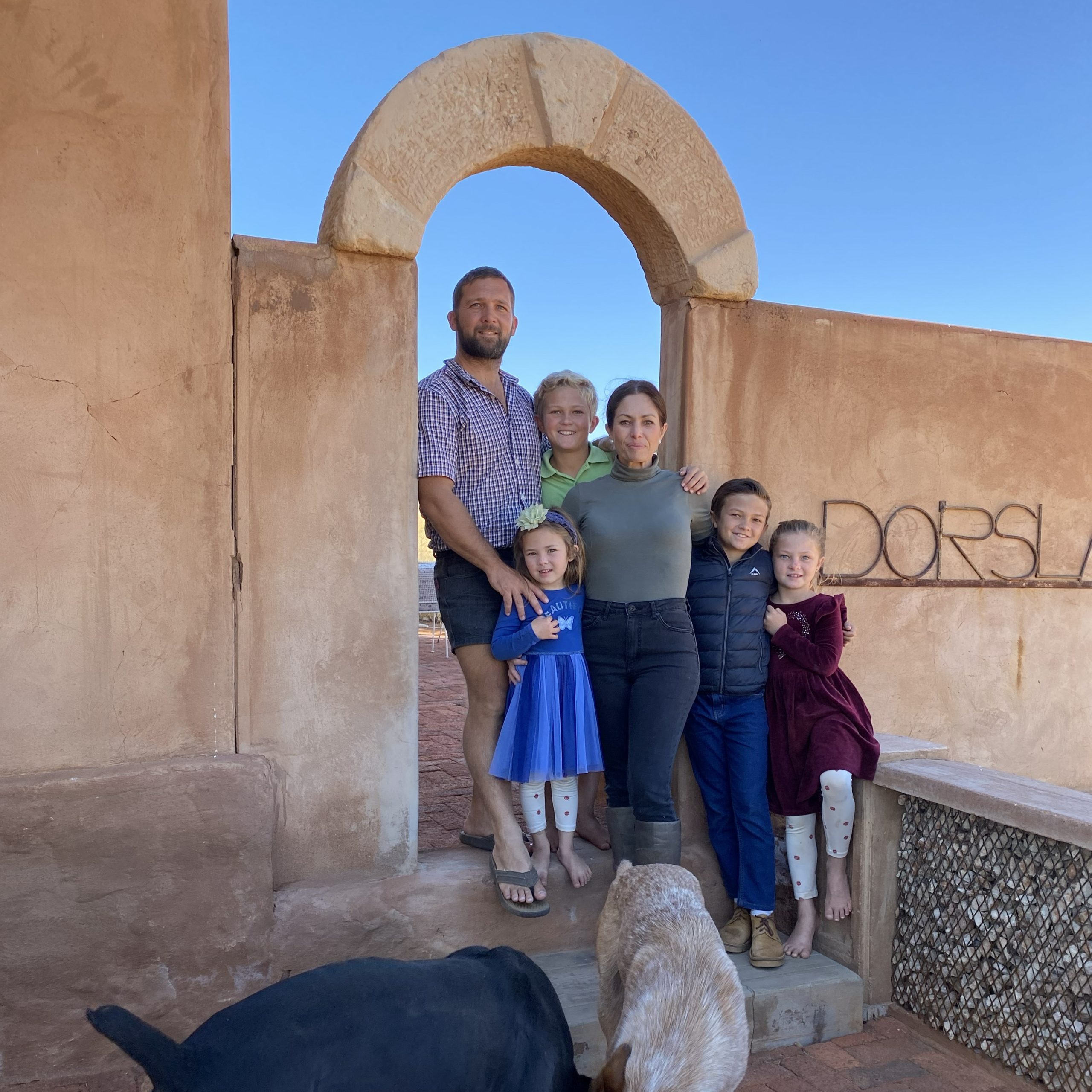
A family of six lives on the project site.
Livestock farming is now their most important source of income – and therefore essential for their survival.
An immediate renunciation is not possible.
Sustainable nature conservation can only work if it takes into account people's everyday lives.
A realistic way back to nature
Instead of radical changes, we are focusing on a gradual transition:
- Reduction of livestock numbers over time
- Development of wildlife tourism
- Dismantling of fences
- Restoration of natural habitats
This creates a system that is both ecologically and economically sustainable.
A landscape without borders
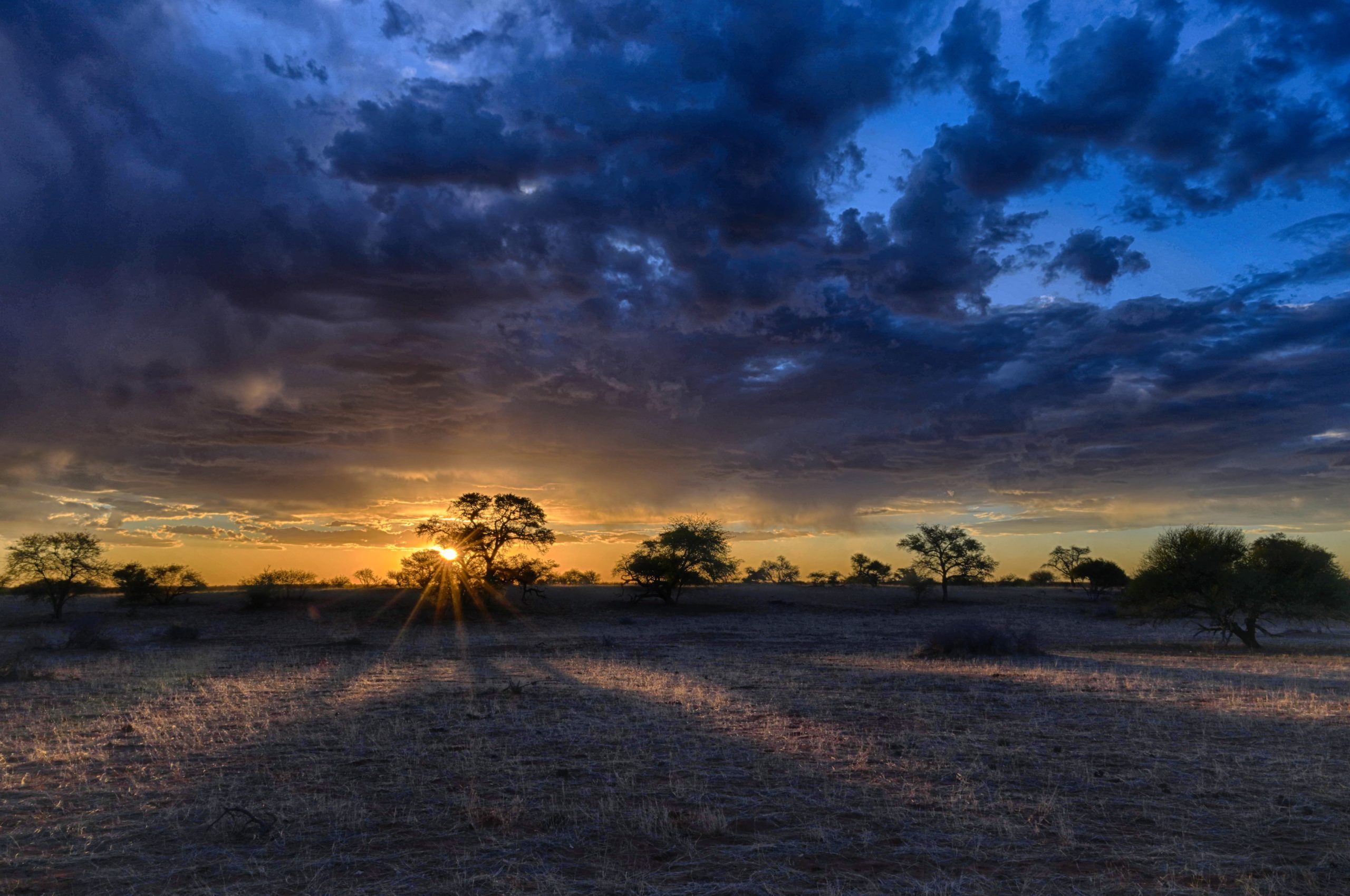
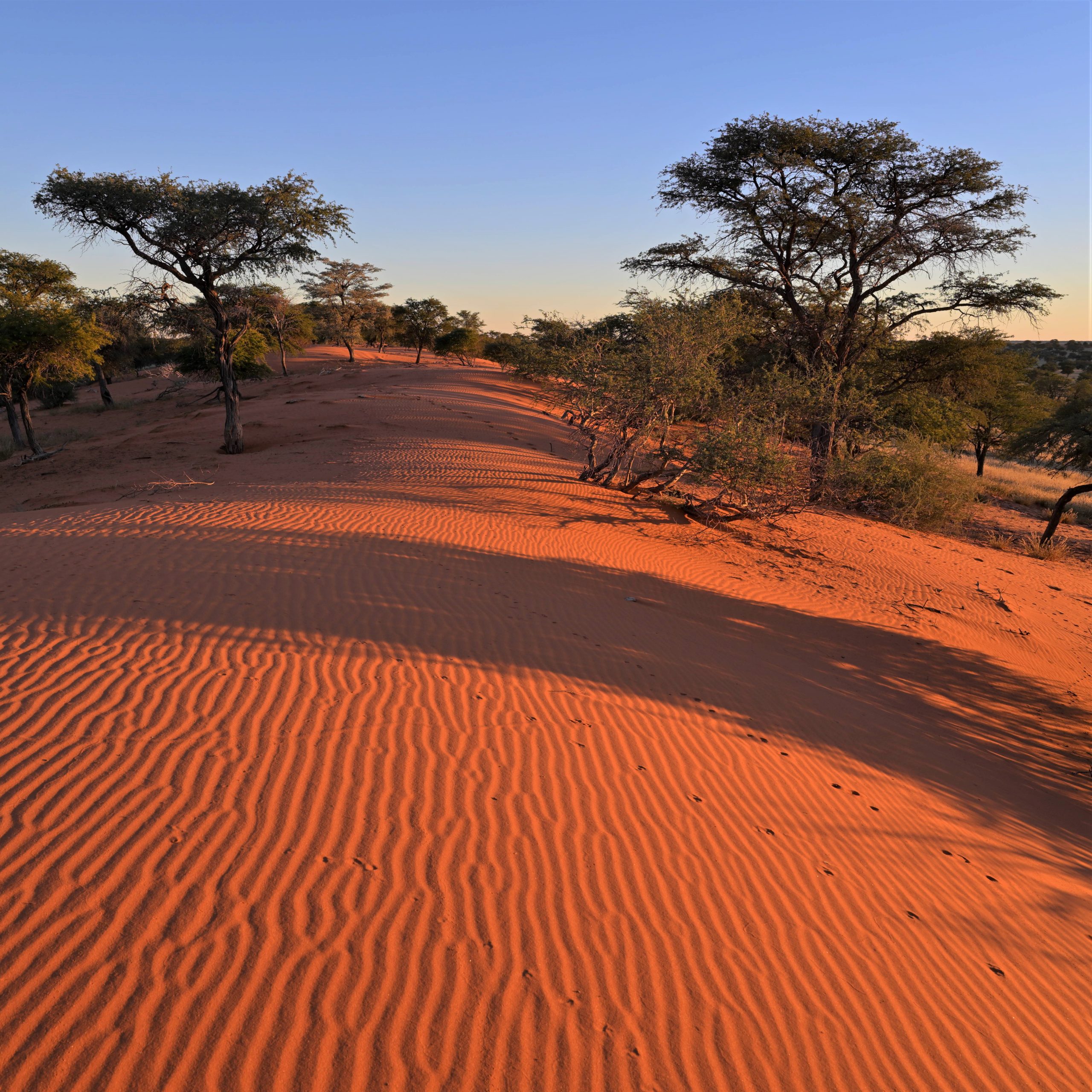
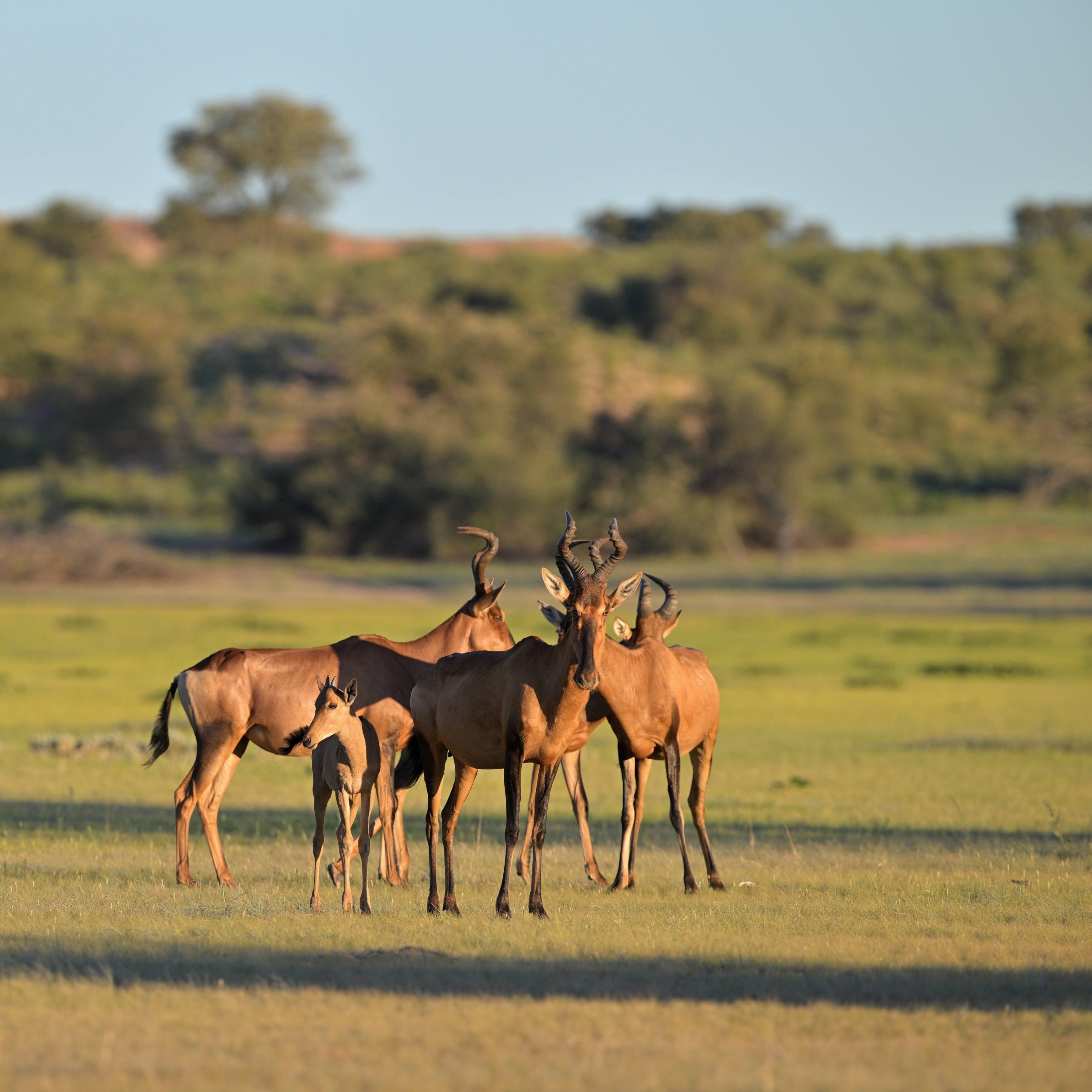
Our vision is an open Kalahari where wildlife can move freely again.
A landscape,
- where ecosystems regenerate
- where people can live well from sustainable tourism
- in which nature is given more space
On location in Namibia
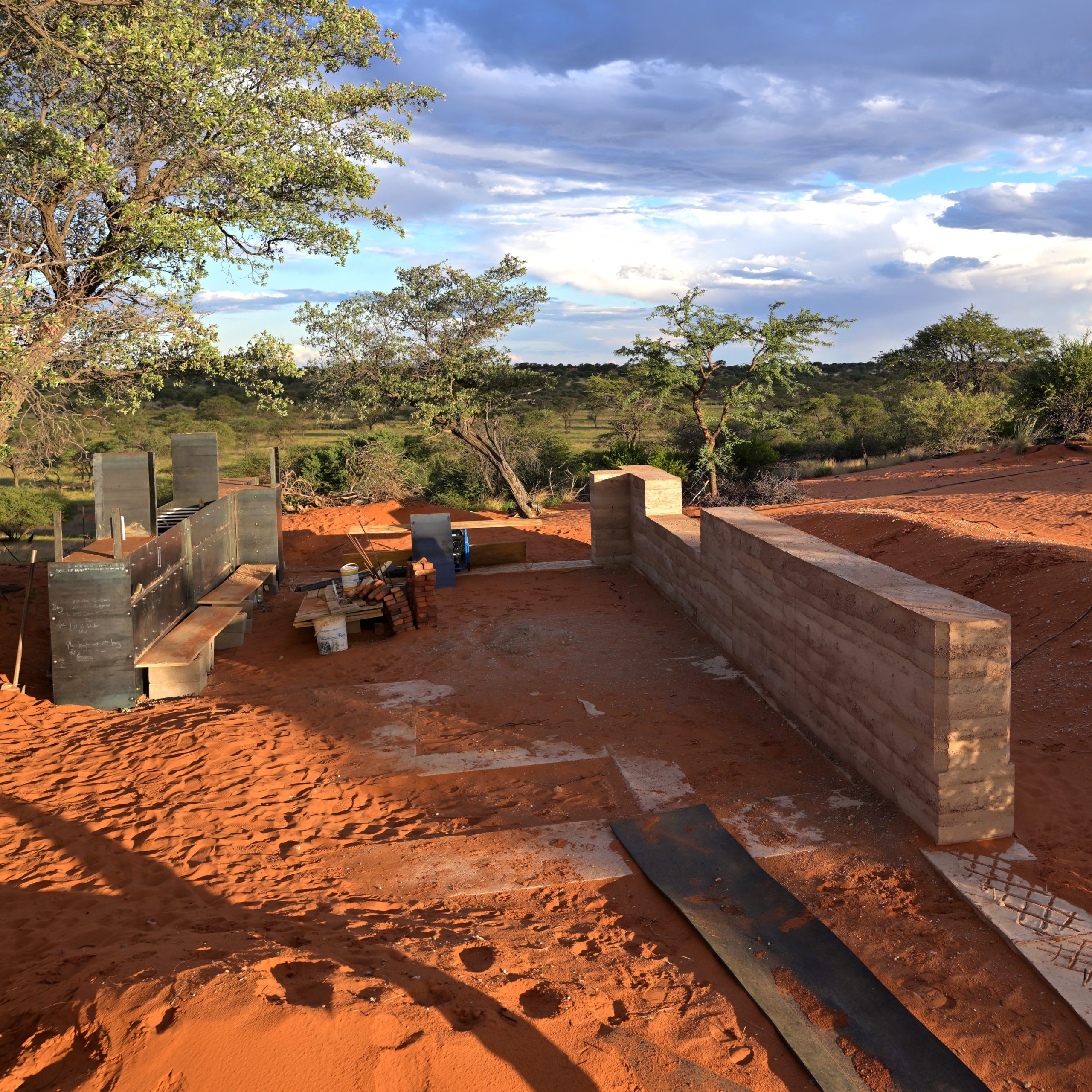
Kalahari Conservation is a long-term project that is currently under development.
It is being developed in close collaboration with local partners – step by step and adapted to the reality of the region.
The focus is not on quick solutions, but on sustainable development.
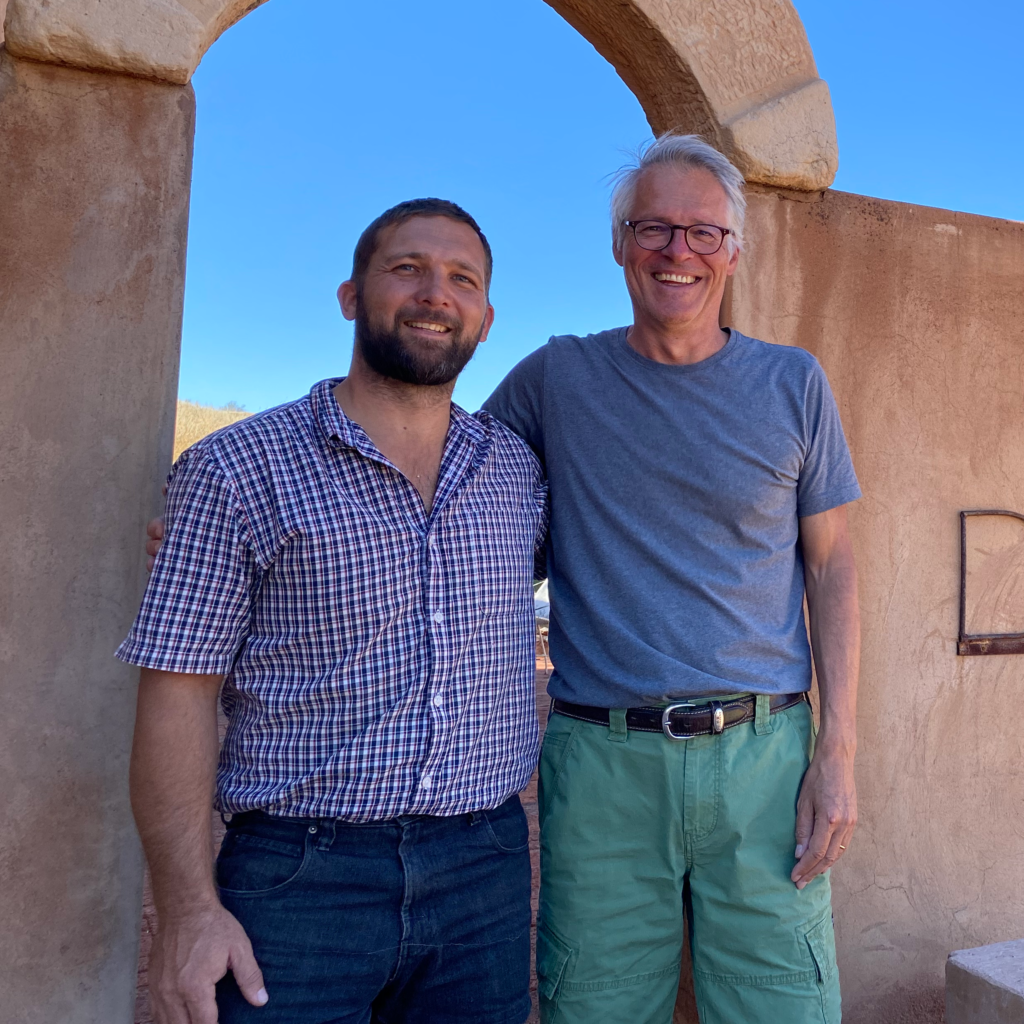
Behind Kalahari Conservation
I have spent many years exploring African nature. My experiences in wildlife photography have shown me how closely humans and ecosystems are connected.
With Kalahari Conservation, I pursue the goal of developing a practical form of nature conservation – one that both protects nature and offers prospects to the local people.
Wynand Saayman (left) and Herbert Smrcek (right) are the driving forces behind the project.
Be part of the project
The development of this project thrives on exchange, ideas, and partnerships.
If you would like to learn more or be involved in the project, I would be delighted to hear from you.